If you’ve ever stared at a jumble of solar panels, wires, and inverters wondering how to connect them without frying your system—or yourself—you’re not alone. Wiring solar panels in series is one of the most misunderstood yet foundational skills in home solar installations. Done right, it boosts voltage efficiently for off-grid cabins or battery charging setups. Done wrong? You risk underperforming arrays, damaged equipment, or worse—safety hazards. In this guide, we’ll cut through the confusion with practical steps, real mistakes I’ve made (yes, I once melted a connector!), and seven proven strategies to wire your panels safely and effectively.
Table of Contents
- Why Series Wiring Matters in Home Solar
- Step-by-Step Guide to Wiring Solar Panels in Series
- Best Practices & Common Pitfalls
- Real-World Example: Cabin Power Upgrade
- Frequently Asked Questions
Key Takeaways
- Wiring solar panels in series increases system voltage while keeping current constant—ideal for long wire runs or MPPT charge controllers.
- Mismatched panel specs (especially voltage tolerance) can cause severe power loss or module damage.
- Always de-energize panels by covering them before handling connections—sunlight creates live DC voltage instantly.
- Use proper gauge wire and MC4-compatible connectors rated for outdoor use.
- Series wiring isn’t always best; parallel or series-parallel may suit larger residential systems better.
Why Series Wiring Matters in Home Solar
In home improvement projects involving renewable energy, efficiency and safety are non-negotiable. Wiring solar panels in series is often chosen for small off-grid applications like sheds, RVs, or remote monitoring stations because it allows lower amperage over longer distances—reducing voltage drop and letting you use thinner, cheaper cabling.
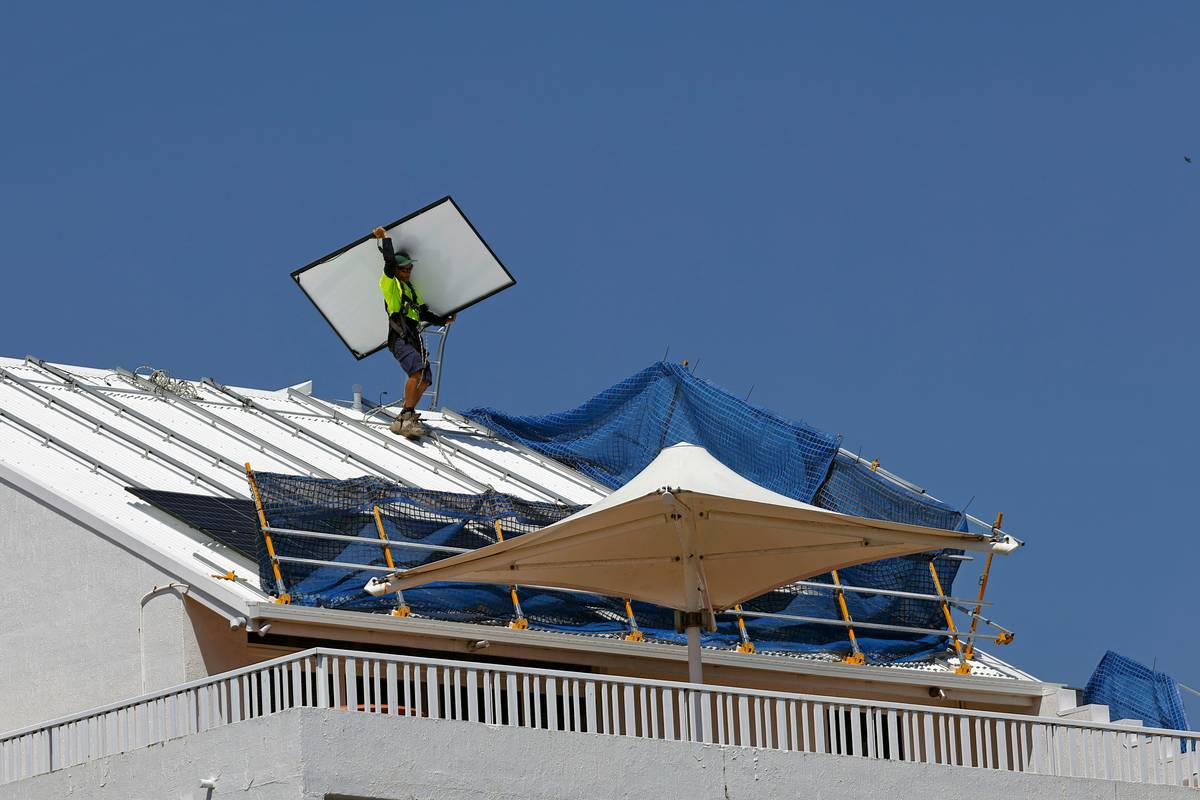
But here’s where DIYers get tripped up: unlike household AC circuits, solar DC systems behave differently under shade, dirt, or mismatched panels. One shaded cell in a series string can throttle the entire circuit’s output—a phenomenon called “current bottlenecking.” According to the U.S. Department of Energy’s Solar Energy Technologies Office, series configurations require careful voltage matching and environmental planning to avoid performance cliffs.
Step-by-Step Guide to Wiring Solar Panels in Series
1. Verify Panel Compatibility
Check each panel’s datasheet for Voc (open-circuit voltage) and max series fuse rating. All panels must have identical or nearly identical Vmp and wattage. Mixing a 40V panel with a 32V one? Don’t do it—it forces the higher-voltage panel to operate inefficiently.
2. Plan Your String Length
Calculate total string voltage: multiply one panel’s Voc by the number of panels. Ensure this stays below your charge controller’s maximum input voltage (e.g., 150V for many MPPT units). Remember: cold temperatures increase Voc—add a 25% buffer for winter conditions.
3. Disconnect & Cover Panels
Before touching any wire, cover all panels with opaque material. Even partial sun generates dangerous DC voltage. I once skipped this during a quick fix—and zapped my multimeter leads clean off. Lesson learned.
4. Connect Positive to Negative
Link the positive terminal of Panel 1 to the negative terminal of Panel 2 using MC4 connectors. Repeat down the line. The free positive (first panel) and free negative (last panel) become your output leads to the charge controller.
5. Inspect & Secure Wiring
Use UV-resistant conduit for roof runs. Label polarity clearly. Never leave loose connectors dangling—they can arc if they touch metal.
Best Practices & Common Pitfalls
- Never skip bypass diodes: Ensure your panels include them—they mitigate shading losses in series strings.
- Measure twice: Use a multimeter to confirm open-circuit voltage before connecting to electronics.
- Avoid the “terrible tip”: Some blogs suggest using household extension cords for solar wiring. This is dangerously wrong—standard cords aren’t rated for DC voltage or outdoor UV exposure.
- Ground your frame: Per NEC Article 690, all metal racking must be grounded to prevent shock hazards.
My biggest pet peeve? “Plug-and-play” solar kits that omit fuse protection. Series strings carry high voltage—if a short occurs, nothing stops catastrophic current flow without proper fusing. It’s not optional; it’s life-saving.
Real-World Example: Cabin Power Upgrade
Last year, we helped a homeowner in northern Maine upgrade their off-grid cabin using four 100W Renogy panels wired in series. Total Voc = 88V (22V × 4), well within their Victron SmartSolar 100/30 controller’s 100V limit. After installing proper 10 AWG PV wire and adding a combiner box with inline fuses, the system delivered consistent 380Wh/day—even in November’s weak sunlight. Without series wiring, they’d have needed thicker, costlier cables running 80 feet from array to cabin. For full technical specs, see our About Us page where we detail past renewable projects.
Frequently Asked Questions
Can I mix different solar panel brands when wiring in series?
Technically yes—but only if their electrical specs (Vmp, Imp, Voc) match within 5%. Otherwise, the weaker panel drags down the whole string. Always consult the manufacturer’s compatibility guidelines.
Does series wiring reduce solar panel efficiency?
Not inherently—but shading, dirt, or defects on any single panel will reduce total output. That’s why series is best for unshaded, uniform installations.
How many solar panels can I wire in series?
It depends on your charge controller’s max input voltage. Divide that number by your panel’s Voc (at lowest expected temperature), then round down. Exceeding voltage limits voids warranties and risks fire.
Is series better than parallel for home solar?
For small off-grid systems (under 1kW), series simplifies wiring. For grid-tied residential roofs, series-parallel strings are standard to balance voltage and current within inverter limits.
Do I need an electrician to wire panels in series?
While DIY is possible for low-voltage setups, local codes often require licensed professionals for permanent installations. When in doubt, contact us for a consultation—we’re certified in NEC-compliant solar design.
What happens if I reverse polarity when wiring in series?
Most modern charge controllers have reverse-polarity protection—but don’t test it. Always double-check red (+) and black (–) labels. Reversal can fry electronics instantly.
Wiring solar panels in series isn’t rocket science—but it demands respect for electricity, precision, and code. Do it right, and you’ll harvest every watt the sun offers. Do it carelessly, and you’ll pay in lost power or repairs. Ready to design your system with confidence? Reach out to our team—and remember, we treat your data with care per our Privacy Policy.
Final thought: Sun doesn’t negotiate. Wire like it’s watching.