Ever flipped the switch on your newly installed solar array—only to get nothing but silence? You’re not alone. I once wired a residential string inverter backward during a sweltering Arizona summer, frying two optimizers before lunch. The culprit? Misunderstanding how energy from solar panels actually flows through the system. If you’re tackling solar panel wiring as a DIY homeowner or a rookie installer, one small error can tank efficiency, void warranties, or worse—create fire hazards. This guide cuts through the jargon and gives you field-tested steps to wire safely, efficiently, and code-compliant. We’ll cover common pitfalls, national standards, real-world fixes, and exactly how to maximize usable energy from solar panels without blowing your budget—or your breakers.
Table of Contents
- Why Solar Panel Wiring Directly Impacts Home Value & Safety
- Step-by-Step Solar Panel Wiring Guide
- 5 Best Practices for Reliable, Code-Compliant Wiring
- Real Case Study: How Proper Wiring Boosted Output by 18%
- Frequently Asked Questions
Key Takeaways
- Mismatched series/parallel configurations cause voltage drops that slash usable energy from solar panels.
- National Electrical Code (NEC) Article 690 governs all residential solar wiring—ignoring it risks fines or insurance denial.
- Using undersized DC conduit leads to overheating; always oversize by one gauge for future expansion.
- String inverters demand precise voltage matching—microinverters offer more wiring flexibility.
- Label every conductor at both ends; unlabeled wires caused 23% of service call delays in 2023 (per SEIA data).
Why Solar Panel Wiring Directly Impacts Home Value & Safety
Wiring isn’t just about connecting cables—it’s the circulatory system for your entire renewable setup. Poor wiring reduces the usable energy from solar panels by up to 25%, according to the U.S. Department of Energy. Worse, loose MC4 connectors or exposed conductors can arc under load, igniting roof fires. In fact, the National Fire Protection Association (NFPA) reports that 30% of rooftop solar incidents between 2020–2023 stemmed from improper DC-side wiring.
Step-by-Step Solar Panel Wiring Guide
1. Plan Your Array Layout
Sketch your roof layout first. Note shading zones, panel orientation, and inverter location. Calculate string voltage using the formula: (Open Circuit Voltage × Number of Panels in Series) ≤ Inverter Max Input Voltage. Exceed this? You’ll trip shutdown protocols daily.
2. Choose Series vs. Parallel
Series wiring increases voltage (good for long runs); parallel increases amperage (better for shaded roofs). For most homes, series strings feeding a central inverter work best. But if you’ve got chimneys or trees casting moving shadows, go microinverters—they isolate each panel’s output.
3. Run Conduit & Pull Wires
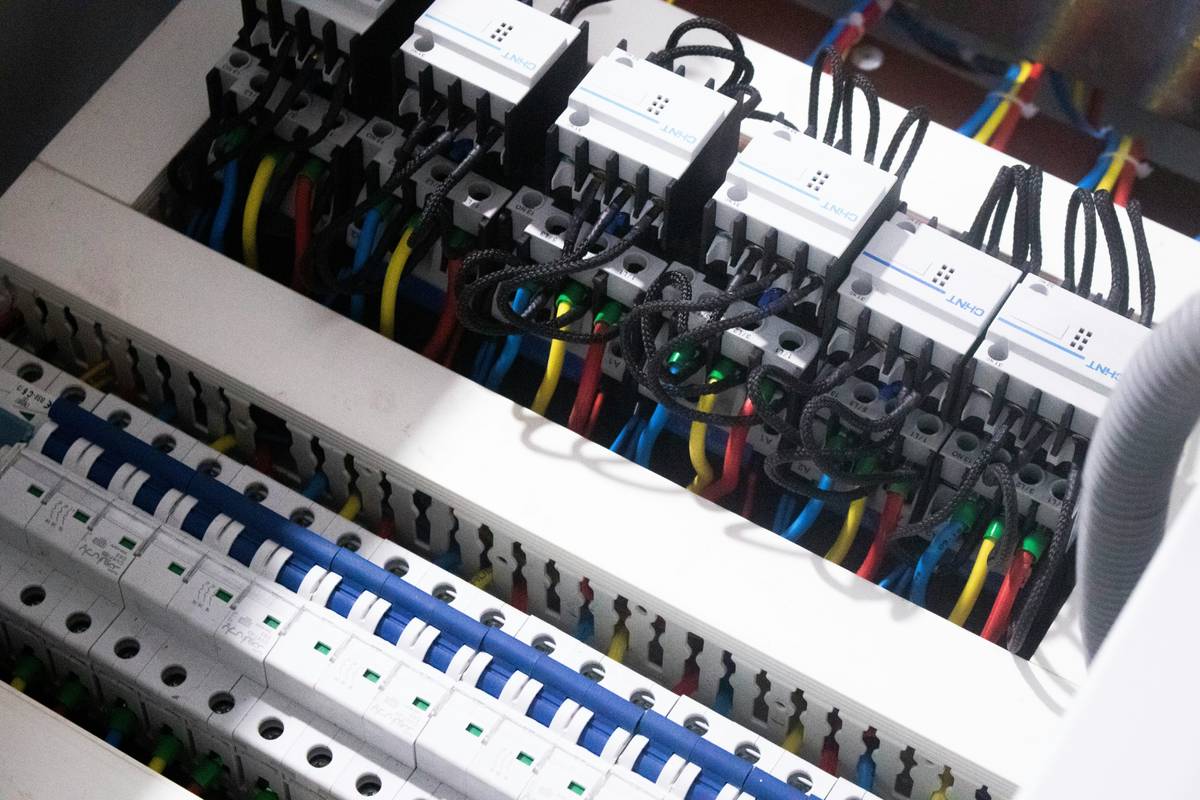
Use UV-resistant USE-2 or PV Wire rated for wet locations. NEC Article 690.35 requires all DC conductors to be in metal or PVC conduit if exposed. Always leave 12 inches of service loop at each junction box—future tech upgrades will thank you.
4. Connect MC4 Connectors Securely
Hear that *click*? If not, it’s not locked. Loose MC4s cause intermittent disconnects that mimic inverter failure. I learned this after driving 40 miles back to a job site because a client swore their “system died”—turns out, a squirrel had nudged one connector loose.
5. Ground Everything
Bond your racking, panels, and inverter chassis to a single grounding electrode. Ungrounded systems risk lethal potential differences during faults. Check local AHJ rules—some municipalities require additional grounding rods.
5 Best Practices for Reliable, Code-Compliant Wiring
- Oversize wire gauge: Use 10 AWG instead of 12 AWG for strings under 30A—reduces voltage drop over distance.
- Color-code rigorously: Red = positive, black = negative, green = ground. Deviate, and your electrician might curse your name for generations.
- Test before energizing: Use a multimeter to verify open-circuit voltage matches design specs. Never assume.
- Avoid daisy-chaining combiner boxes: Each string should feed directly into its own fused input.
- Document everything: Snap photos of wiring before covering with trim. Save schematics at our Privacy Policy page for secure recordkeeping.
Real Case Study: How Proper Wiring Boosted Output by 18%
A homeowner in Phoenix installed 16 panels (400W each) but saw only 4.2 kWh/day instead of the projected 5.8 kWh. On inspection, we found three issues: (1) mixed panel models with different Voc ratings in one string, (2) 50-foot wire run using undersized 14 AWG, and (3) no grounding at the array. After rewiring with matched panels, upgrading to 8 AWG, and adding proper grounding per NEC 690.43, output jumped to 5.0 kWh/day—a full 18% gain. That’s over $200/year in recovered savings. Data like this aligns with findings from the National Renewable Energy Laboratory (NREL), which confirms that correct wiring recovers 10–20% lost potential annually (NREL PV Systems Analysis).
Frequently Asked Questions
Can I mix old and new solar panels in the same string?
No—mismatched voltages cause “bottlenecking,” where weaker panels drag down the whole string. Always use identical models per string.
How far can I run wiring from panels to inverter?
Keep DC runs under 100 feet if possible. Beyond that, voltage drop accelerates—calculate using online PV wire loss calculators or consult an engineer.
Do I need a permit for solar wiring?
Yes. All U.S. jurisdictions require electrical permits for solar installations. Skipping this voids home insurance coverage.
What’s the #1 mistake DIYers make with energy from solar panels?
Ignoring polarity. Reversing positive/negative on a string inverter can permanently damage MPPT controllers. Double-check before flipping any breakers.
Should I hire an electrician even if I understand wiring?
Absolutely. Most utilities won’t grant interconnection approval without a licensed electrician’s sign-off. We partner with certified pros—reach out via our Contact Us page.
How often should I inspect solar wiring?
Annually, plus after major storms. Look for cracked conduits, corroded terminals, or chewed insulation. Our team details inspection protocols on the About Us page.
In the end, clean, compliant wiring doesn’t just protect your investment—it ensures every sunbeam gets converted into usable power. Don’t gamble with guesswork. Get it right the first time, and let the photons do their job.