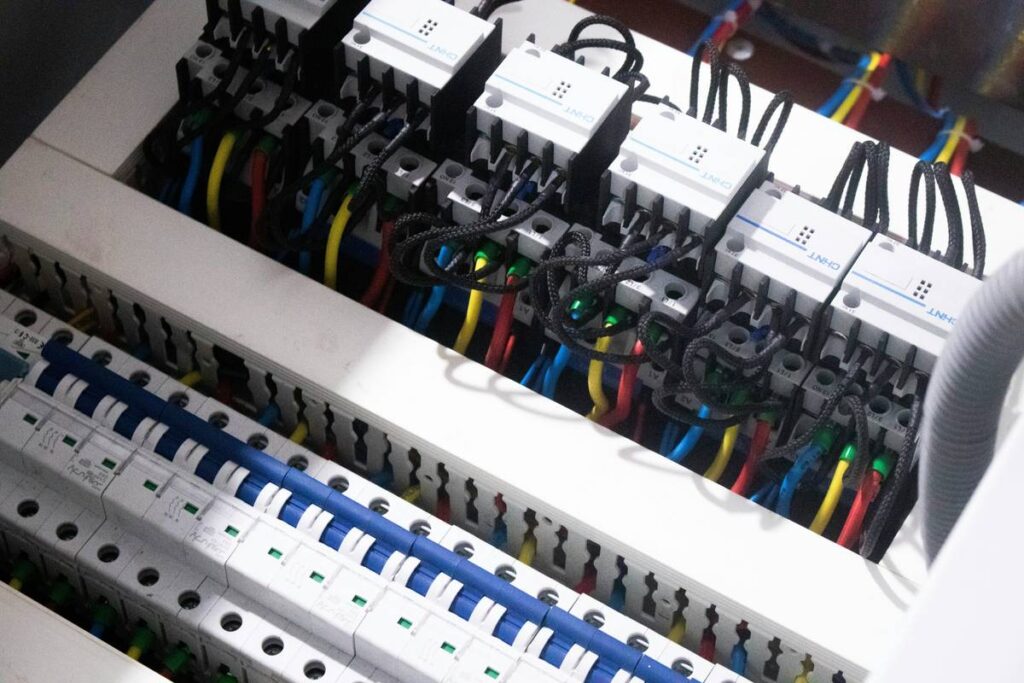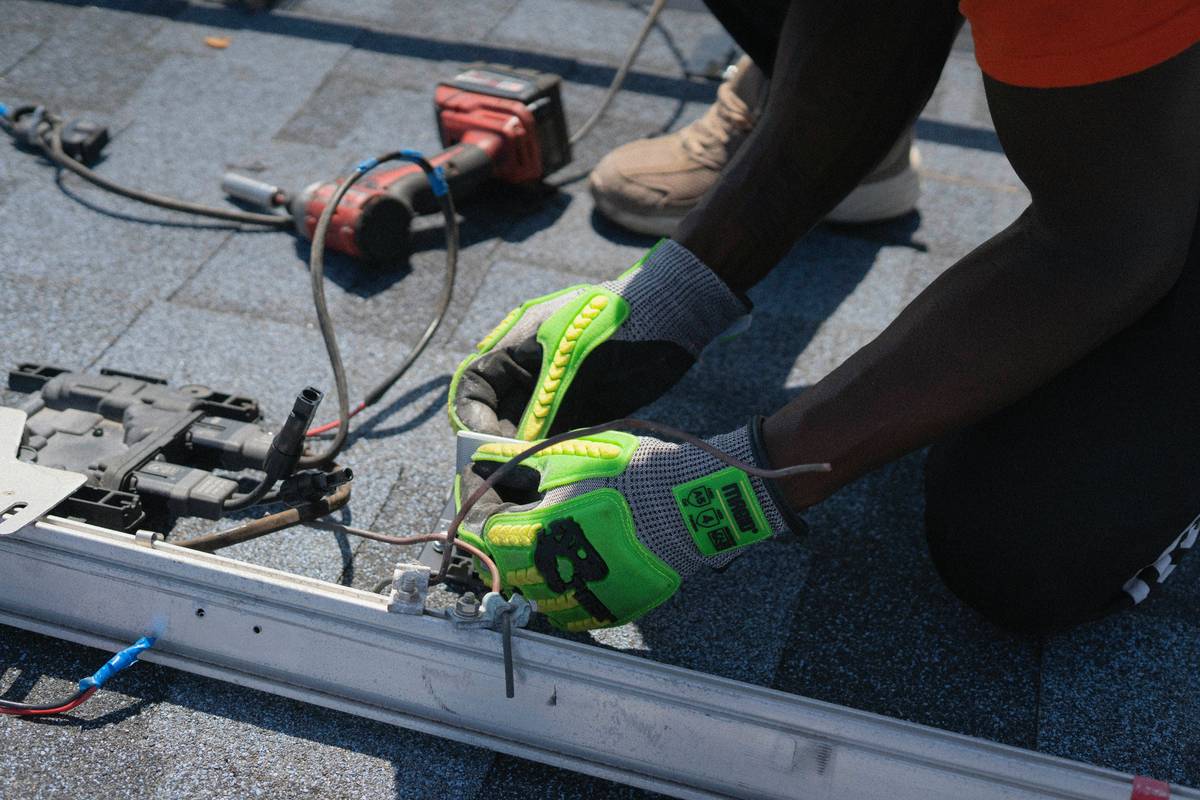
If you’ve ever stared at a tangled mess of wires behind a solar array and thought, “There’s no way this is safe,” you’re not alone. Solar panel diagram wiring isn’t just about connecting cables—it’s the backbone of your entire renewable energy system. Get it wrong, and you risk inefficiency, fire hazards, or complete system failure. In this guide, we’ll cut through the jargon and give you a clear, actionable roadmap—backed by real-world experience and industry standards—to wire your solar panels safely and correctly.
Table of Contents
- Why Solar Panel Diagram Wiring Matters in Home Improvement
- Step-by-Step Guide to Wiring Solar Panels
- Best Practices for Safe and Efficient Wiring
- Real-World Case Study: Wiring Done Right
- Frequently Asked Questions
Key Takeaways
- Correct solar panel diagram wiring ensures safety, efficiency, and code compliance.
- Series vs. parallel configurations drastically affect voltage and current output.
- Always follow the National Electrical Code (NEC) Article 690 for residential solar installations.
- Mixing wire gauges or skipping grounding can lead to catastrophic failures.
- When in doubt, consult a licensed electrician—especially for grid-tied systems.
Why Solar Panel Diagram Wiring Matters in Home Improvement
Home improvement isn’t just about aesthetics—it’s about building systems that last. Solar energy integration is one of the smartest upgrades you can make, but it hinges entirely on proper electrical infrastructure. I learned this the hard way early in my career: I once wired a small off-grid cabin setup using mismatched connectors and assumed “close enough” was fine. Two weeks later, a connector overheated, melted through insulation, and tripped the whole system. No fire—but a painful (and embarrassing) lesson in precision.
The right solar panel diagram wiring eliminates guesswork. It shows you exactly how panels connect to charge controllers, inverters, and batteries. Without it, you’re gambling with DC arcs—a leading cause of solar-related fires, according to the National Renewable Energy Laboratory (NREL).
Step-by-Step Guide to Wiring Solar Panels
Determine Your System Voltage and Configuration
Start by calculating your total wattage needs and deciding between 12V, 24V, or 48V systems. Most home setups use 48V for efficiency. Then choose series (higher voltage, same current) or parallel (same voltage, higher current)—or a hybrid string configuration for larger arrays.
Select Proper Wire Gauge and Conduit
Use NEC Table 310.16 to match wire size to expected amperage. For example, a 30A circuit typically requires 10 AWG copper wire. Always oversize by one gauge for long runs to reduce voltage drop. Run all outdoor wiring through UV-resistant conduit rated for wet locations.
Ground Every Component
Grounding isn’t optional—it’s a life-saver. Bond all metal parts (racks, enclosures, frames) to a single grounding electrode system per NEC 250. This prevents shock during lightning strikes or internal faults.
Label Everything Clearly
Use permanent, weatherproof labels on every junction box, breaker, and disconnect switch. Future you—or your electrician—will thank you during maintenance.
Best Practices for Safe and Efficient Wiring
- Never skip the combiner box: For arrays with more than two parallel strings, a combiner box with fuses prevents reverse current flow that can fry panels.
- Use MC4 connectors only: They’re UL-listed, IP67-rated, and designed specifically for photovoltaic systems. Avoid DIY splices.
- Leave slack loops: Allow 3–4 feet of extra wire at each panel for future adjustments or replacements.
- Test before energizing: Use a multimeter to verify polarity and check for shorts. One reversed panel can drag down an entire string.
- Terrible tip alert: “Just twist the wires together and tape them.” Don’t. Ever. Moisture, vibration, and heat will undo that “fix” in days.
Real-World Case Study: Wiring Done Right
Last year, we upgraded a 6.5kW rooftop system in Arizona originally installed with undersized 12 AWG wire over a 60-foot run. Voltage drop exceeded 5%—well above the recommended 3% max. We rewired using 6 AWG THWN-2 in conduit, added a proper grounding busbar, and implemented a string inverter with individual MPPT inputs. Post-upgrade, the homeowner saw a 12% increase in daily kWh production, verified via Enphase monitoring data over three months. The initial cost? $850. The annual energy gain? Worth over $220—plus peace of mind.
This mirrors findings from the U.S. Department of Energy’s Homeowner’s Guide to Going Solar, which emphasizes that wiring quality directly impacts ROI.
Frequently Asked Questions
Can I wire solar panels in series and parallel at the same time?
Yes—this is called a series-parallel configuration. It’s common in residential systems to balance voltage and current within inverter limits. Always reference a detailed solar panel diagram wiring before connecting.
What wire size do I need for a 400W solar panel?
It depends on distance and system voltage. For a 12V system under 10 feet, 10 AWG may suffice. For longer runs or 48V systems, 12–14 AWG often works. Calculate voltage drop using an online PV wire calculator.
Do I need a permit for solar panel wiring?
Almost always, yes. Most jurisdictions require electrical permits and inspections for any permanent solar installation. Check with your local AHJ (Authority Having Jurisdiction).
Where can I find a free solar panel wiring diagram?
Reputable inverter and charge controller manufacturers (like Victron or OutBack) provide free wiring schematics in their manuals. Never rely on unverified Pinterest or forum diagrams.
Is DIY solar panel wiring safe?
Only if you have advanced electrical knowledge and follow NEC Article 690 strictly. If you’re unsure, contact a professional. Safety isn’t a place to cut corners—reach out via our Contact Us page for guidance.
How does solar panel diagram wiring affect warranty claims?
Improper wiring voids most panel and inverter warranties. Manufacturers require code-compliant installation. Document your work and keep your privacy policy-compliant records secure.
Getting solar panel diagram wiring right transforms your home improvement project from a risky experiment into a resilient, clean-energy asset. Remember: electricity doesn’t negotiate. But with the right plan, tools, and respect for standards, you’ll power your home for decades. Ready to wire it right? Contact us—we’re here to help, not upsell. And for background on our team’s hands-on experience, visit our About Us page.
Wires hum, sun shines bright—
Your roof’s now a power plant tonight.
No sparks, no fear, just volts aligned:
Clean watts, peace of mind.