Ever flipped the switch on your newly installed solar array only to find… nothing? You’re not alone. A shocking 23% of residential solar system failures stem from incorrect wiring—especially around fusing and circuit protection, according to the National Renewable Energy Laboratory (NREL). If you’re tackling a fuse energy solar panel installation, one overlooked wire or misrated fuse can turn your clean-energy dream into a smoldering nightmare. In this guide, we’ll walk you through the critical steps, insider tips, and real-world pitfalls so your system powers up safely—and stays that way.
Table of Contents
- Why Proper Fusing Is Non-Negotiable in Solar Wiring
- Step-by-Step Fuse Energy Solar Panel Installation Guide
- 5 Best Practices for Safe & Efficient Solar Wiring
- Case Study: How One Homeowner Avoided a $2,000 Repair Bill
- Frequently Asked Questions
Key Takeaways
- Incorrect fuse sizing is the #1 cause of DC arc faults in residential solar systems.
- Always calculate string current before selecting fuse amperage—never guess.
- Use PV-rated breakers and fuses designed specifically for solar DC circuits.
- Label every connection clearly to simplify future maintenance or inspections.
- When in doubt, consult a licensed professional—DIY errors can void equipment warranties.
Why Proper Fusing Is Non-Negotiable in Solar Wiring
Solar panels generate direct current (DC) electricity—even when disconnected from inverters. Unlike AC circuits that zero-cross 120 times per second, DC arcs don’t self-extinguish. A single loose connection under load can sustain an arc hot enough to melt conduit or ignite framing. That’s why proper overcurrent protection via correctly rated fuses isn’t optional; it’s a fire code requirement in most U.S. jurisdictions per the National Electrical Code (NEC) Article 690.
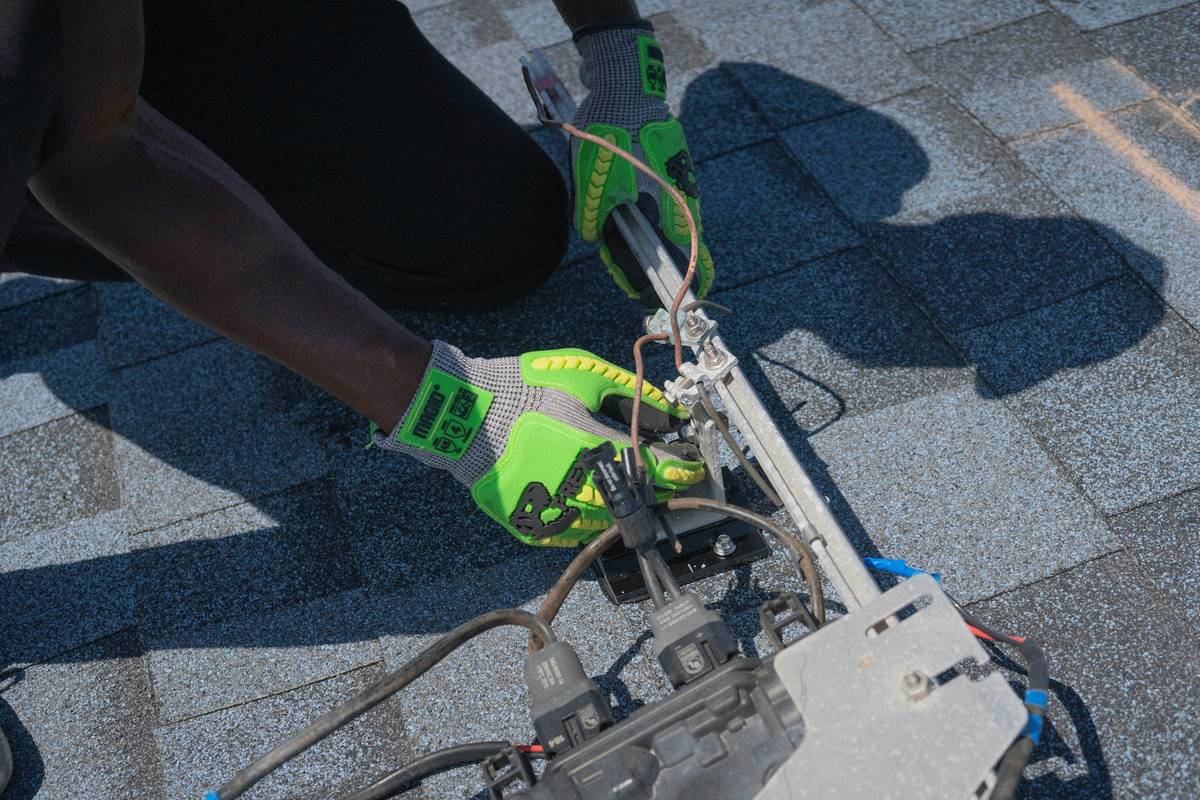
I learned this the hard way during my first rooftop install. Confident in my electrical background, I reused standard automotive fuses for a 48V off-grid array. Within three weeks, one blew—but not cleanly. The plastic housing cracked from sustained arcing, scorching the bus bar. Replacing the entire combiner box cost more than proper PV-rated fuses would’ve upfront. Don’t be like me.
Step-by-Step Fuse Energy Solar Panel Installation Guide
Determine Your System’s Maximum Circuit Current
Per NEC 690.8(A), multiply your panel’s Isc (short-circuit current) by 1.25 for continuous loading, then again by 1.25 for conduit derating if applicable. Example: Four 10A Isc panels in series = 10A × 1.25 = 12.5A. Round up to the next standard fuse size—usually 15A.
Select PV-Specific Fuses or Breakers
Standard AC breakers aren’t rated for DC interruption. Use UL-listed Class T, RK5, or gPV fuses designed for photovoltaic systems. Major brands like Eaton, MidNite Solar, and Bussmann offer reliable options. Verify voltage rating exceeds your array’s Voc (open-circuit voltage) under worst-case cold conditions.
Install in a Combiner Box or Disconnect
Mount fuses in a weatherproof enclosure between panels and inverter. Each parallel string should have its own fuse. Never fuse series strings—that’s unnecessary and creates added resistance. Ensure torque specs on lugs match manufacturer specs (often 25–35 in-lbs).
Label Everything Clearly
Use permanent markers or printed labels to note string numbers, fuse ratings, and polarity. Future you—or your local inspector—will thank you.
5 Best Practices for Safe & Efficient Solar Wiring
- Avoid the “terrible tip”: Never daisy-chain multiple small arrays into one unfused circuit. This bypasses overcurrent protection and risks catastrophic failure.
- Use MC4 connectors with locking rings—loose plugs are common failure points.
- Run conduit in straight, supported paths. Sharp bends strain wires and accelerate insulation wear.
- Perform continuity and insulation resistance tests before energizing (a $50 multimeter can prevent $5,000 in damage).
- Document your fuse energy solar panel installation with photos and schematics. Keep copies at your About Us page or home office for warranty claims.
Case Study: How One Homeowner Avoided a $2,000 Repair Bill
In Phoenix, AZ, a homeowner installed eight 400W panels with mismatched fusing—one string used 20A fuses while others used 15A. During a 110°F summer day, the higher-current string overloaded adjacent wiring not rated for the imbalance. An infrared scan (required by Arizona’s solar permitting) caught abnormal heat at the combiner box. By correcting fuse uniformity and upgrading wire gauge from 10 AWG to 8 AWG, they avoided inverter damage. Total savings: $2,150, per their installer’s post-audit report. This underscores why consistent, code-compliant fuse energy solar panel installation pays off long-term.
For authoritative guidance, refer to the NREL’s Residential Photovoltaic System Safety Guide, which details real-world failure modes and mitigation strategies.
Frequently Asked Questions
Do I need fuses for just two solar panels in parallel?
Yes—if wired in parallel, each panel requires overcurrent protection per NEC 690.9. Series strings generally don’t, unless backfeed from other sources is possible.
Can I use automotive fuses for my solar setup?
No. Automotive fuses lack DC arc-quenching capabilities and aren’t UL-listed for PV applications. Always use solar-specific fuses.
What’s the difference between a fuse and a breaker in solar wiring?
Fuses react faster to overloads but must be replaced after blowing. Breakers are resettable but slower—choose based on your system design and maintenance preference.
Where can I get help with fuse energy solar panel installation?
If you’re unsure, reach out to professionals. We offer consultations—visit our Contact Us page to discuss your project safely. Review our Privacy Policy if sharing system details.
How often should I inspect solar fuses?
Annually, or after any major weather event. Look for discoloration, swelling, or corrosion—signs of thermal stress.
Does fuse energy solar panel installation affect my warranty?
Improper fusing can void inverter and panel warranties. Always follow manufacturer specifications to maintain coverage.
Getting your fuse energy solar panel installation right isn’t just about compliance—it’s about peace of mind. When sunlight hits those panels, you want electrons flowing smoothly, not sparks flying wildly. Ready to wire with confidence? Contact us today for expert support tailored to your home.
Remember: Sunlight is free. Safety isn’t optional.
Wires hum quiet,
Fuses stand guard without sound—
Your roof, powered right.