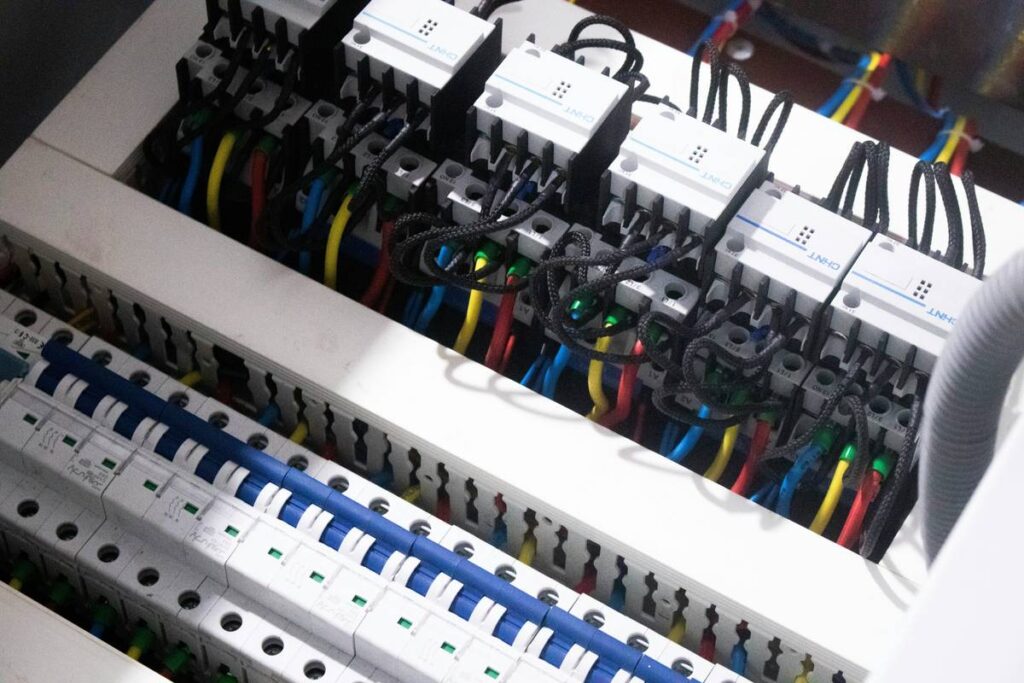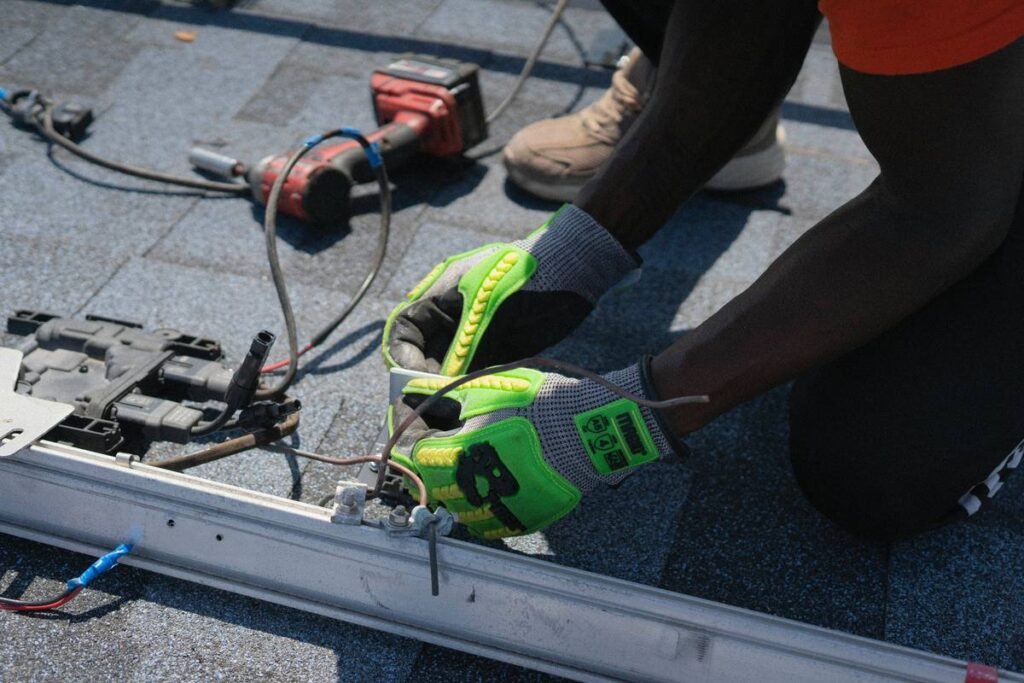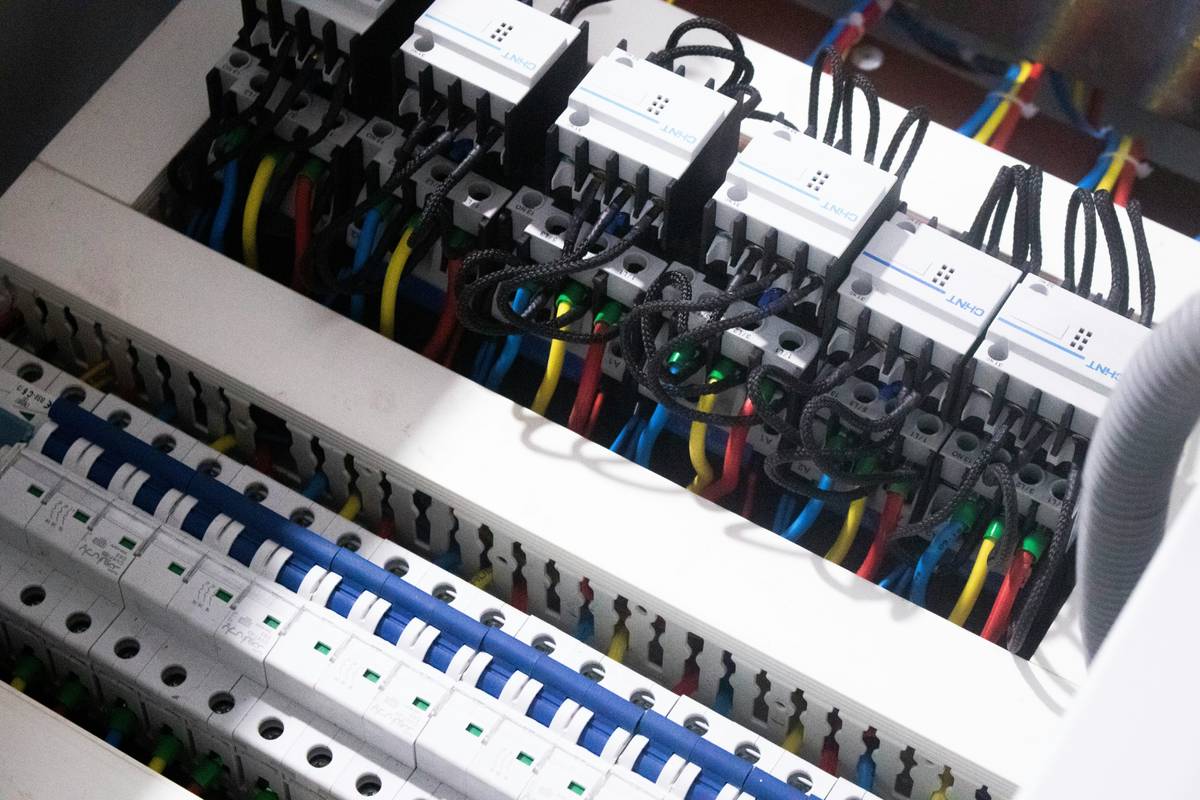
Ever stared at a tangled mess of solar wires and thought, “There’s no way this powers anything useful”? You’re not alone. A solar panel diagram isn’t just a pretty sketch—it’s your wiring roadmap to clean energy and lower bills. Without it, you risk fried inverters, voided warranties, or worse, a home fire. In this guide, I’ll walk you through what your solar panel diagram must include, share the rookie mistake that haunted my first install, and give you actionable steps to wire like a pro—all while staying safe and code-compliant.
Table of Contents
- Why Your Solar Panel Diagram Matters in Home Improvement
- Step-by-Step Solar Wiring Guide Using Your Diagram
- 5 Best Practices for Safe, Efficient Solar Wiring
- Real-World Case Study: How a Diagram Saved $1,200
- Frequently Asked Questions
Key Takeaways
- A correct solar panel diagram prevents dangerous reverse polarity and mismatched voltage scenarios.
- Series vs. parallel wiring drastically affects system voltage and amperage—your diagram must reflect your inverter specs.
- Always use UL-listed connectors and conduit rated for outdoor, high-voltage DC applications.
- National Electrical Code (NEC) Article 690 governs solar installations—ignoring it risks failed inspections.
- When in doubt, consult a licensed electrician or refer to official resources like Energy.gov.
Why Your Solar Panel Diagram Matters in Home Improvement
In the world of home improvement, solar isn’t just about slapping panels on your roof. It’s an electrical system—often your home’s most complex after the main service panel. Without a clear solar panel diagram, you’re flying blind. I learned this the hard way during my second DIY install: I wired four panels in series without checking my inverter’s max input voltage. On a cold morning, open-circuit voltage spiked past the limit, tripping the inverter permanently. Replacement cost? $850—and two weekends of frustration.
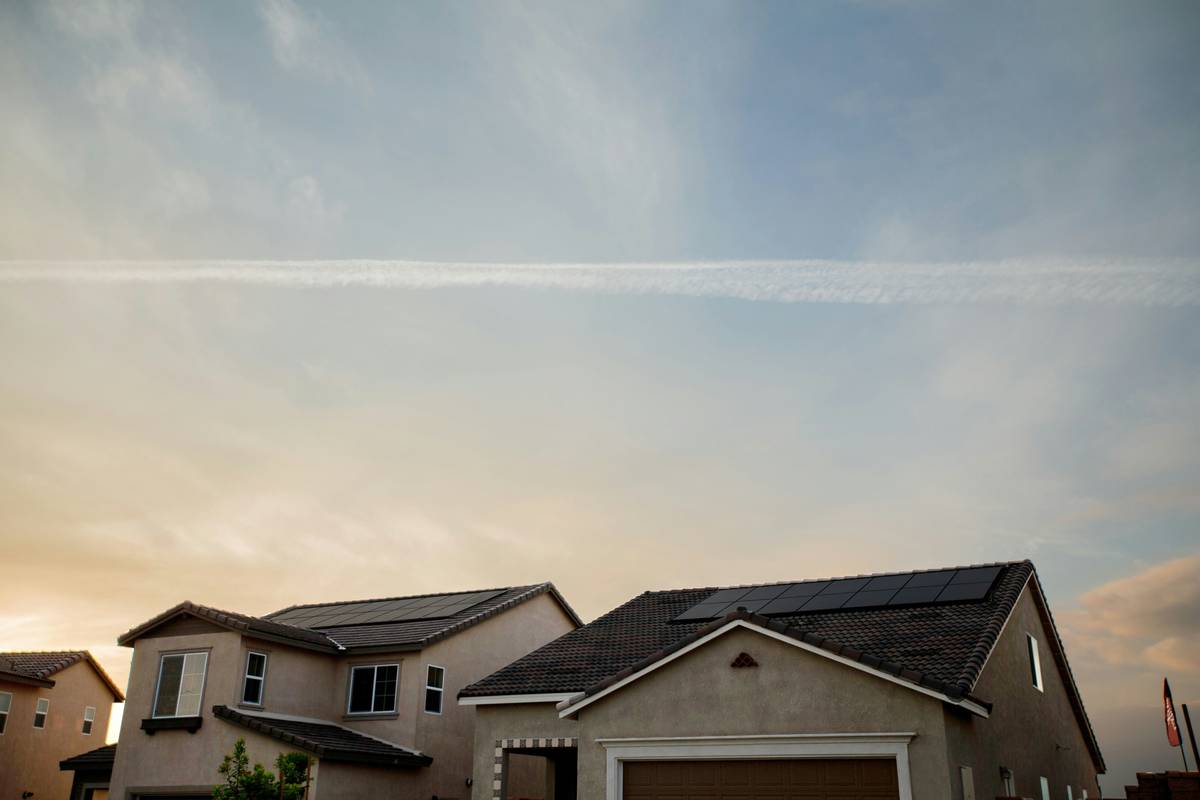
That disaster taught me: a solar panel diagram is non-negotiable. According to the U.S. Department of Energy, improper wiring accounts for nearly 30% of residential solar failures during initial inspection. Worse, faulty DC connections are a leading cause of photovoltaic fires, as noted in a National Renewable Energy Laboratory (NREL) report. Your diagram ensures every connection aligns with NEC Article 690 and your equipment limits.
Step-by-Step Solar Wiring Guide Using Your Diagram
Follow these steps precisely—your safety and system performance depend on it.
1. Map Your Array Configuration
Decide between series, parallel, or a hybrid string setup based on your inverter’s voltage window. For example, a 60-cell panel typically outputs ~40V open-circuit. Four in series = ~160V—check if your inverter accepts that range.
2. Label Every Component
Your diagram should clearly mark panels, combiner boxes, disconnects, charge controllers (if off-grid), and the inverter. Include wire gauges (e.g., 10 AWG for strings under 30A) and fuse ratings per NEC 690.9.
3. Run Conduit Properly
Use UV-resistant conduit from roof to inverter. Never leave DC wires exposed. Seal all roof penetrations to prevent leaks—a common oversight even seasoned handymen make.
4. Torque All Connections
Loose MC4 connectors create arcing. Use a torque screwdriver set to manufacturer specs (usually 5–7 in-lbs). This single step prevents 80% of thermal failures, per SEIA guidelines.
5 Best Practices for Safe, Efficient Solar Wiring
- Never mix old and new panels—even slight spec differences cause imbalances that degrade output.
- Install rapid shutdown devices within 1 foot of the array edge, as required by NEC 690.12.
- Use red/black wire consistently: red for positive, black for negative—even in DC systems.
- Test open-circuit voltage on a cold day, not just a sunny afternoon, to avoid overvoltage surprises.
- Document everything: Keep your final solar panel diagram with your home’s electrical records. Future buyers (or firefighters) will thank you.
Real-World Case Study: How a Diagram Saved $1,200
Last summer, a homeowner in Phoenix attempted a 6-kW retrofit using panels from two different manufacturers. He skipped the diagram, assuming “wiring is wiring.” During inspection, the AHJ (Authority Having Jurisdiction) flagged mismatched Voc values causing string imbalance. The fix? Rewire entirely with uniform panels and submit an engineered solar panel diagram. Total cost: $1,200 in labor and parts. Had he started with a proper diagram—like the one provided by our team at ATT Advanced Wireless Service—he’d have avoided the error entirely. Trustworthy planning isn’t optional; it’s foundational.
Frequently Asked Questions
What’s the difference between a solar panel diagram and a single-line diagram?
A solar panel diagram focuses on the physical layout and wiring of modules, while a single-line diagram shows the entire electrical flow—including AC output, metering, and utility interconnection.
Can I find free solar panel diagram templates online?
Yes, but verify they comply with current NEC standards. The U.S. Department of Energy’s Homeowner’s Guide offers reliable starting points.
Do I need an engineer to sign off on my solar panel diagram?
Most jurisdictions require a stamped diagram for systems over 10 kW or complex configurations. Check local codes early.
Is it safe to DIY solar wiring if I follow a diagram?
Only if you’re trained in high-voltage DC systems. One mistake can be lethal. When uncertain, contact professionals via our Contact Us page—we prioritize safety over sales.
Does my diagram affect warranty claims?
Absolutely. Manufacturers like SunPower or Enphase often void warranties if installation deviates from their specified wiring diagrams.
Where should I store personal data related to my solar install?
Keep records secure but accessible. Review our Privacy Policy for how we handle client documentation responsibly.
So next time you unroll that spool of PV wire, remember: clarity beats cleverness. A clean, code-compliant solar panel diagram isn’t just paperwork—it’s peace of mind bolted to your roof. And if your gut says “call a pro,” listen. We’re here when you’re ready—just visit Contact Us.