Ever flipped the switch after installing a new solar array—only to watch nothing happen? You’re not alone. As someone who’s fried an inverter by cross-wiring positive and negative leads (yes, smoke was involved), I can tell you: solar energy panel benefits only materialize when your wiring is flawless. In this guide, we’ll cut through the jargon and deliver exactly what DIYers and contractors need to maximize output, safety, and savings from their solar investments.
Table of Contents
- Why Wiring Makes or Breaks Solar Energy Panel Benefits
- Step-by-Step Solar Panel Wiring Guide
- Best Practices for Reliable, Code-Compliant Installations
- Real-World Results: What Proper Wiring Actually Delivers
- Frequently Asked Questions
Key Takeaways
- Mistakes in solar panel wiring can void warranties and slash system efficiency by up to 25%.
- Series vs. parallel configurations serve different voltage and current needs—choose based on your inverter specs.
- Always use conduit-rated PV wire (not standard THHN) for outdoor and roof runs.
- Clean, tight connections prevent arcing—a leading cause of solar-related fires.
- The full solar energy panel benefits include long-term ROI, grid independence, and carbon reduction—but only with correct installation.
Why Wiring Makes or Breaks Solar Energy Panel Benefits
You wouldn’t run high-voltage AC wiring through your attic with duct tape and hope for the best—so why treat DC solar circuits any differently? Poor wiring undermines every promised advantage of going solar: reduced electricity bills, energy resilience, and environmental impact. According to the National Renewable Energy Laboratory (NREL), up to 30% of residential solar underperformance stems from subpar electrical connections.
I learned this the hard way during my first install. Eager to finish before sunset, I skipped torqueing the MC4 connectors. Two weeks later, the connection overheated, melted the junction box, and tripped the whole array offline. Lesson burned into memory: wiring isn’t just about making electrons flow—it’s about making them flow safely and efficiently. That’s where the true solar energy panel benefits originate.
Step-by-Step Solar Panel Wiring Guide
1. Plan Your Array Configuration
Determine whether series, parallel, or a hybrid string setup matches your inverter’s voltage window. Series increases voltage (good for long wire runs), while parallel boosts current (ideal for shading-prone roofs).
2. Select the Right Cables
Use UL-listed PV wire rated for 600V or higher, UV-resistant, and suitable for wet locations. Never substitute building wire—it degrades faster under sun exposure and violates NEC Article 690.
3. Route Wires Through Conduit
Protect all exterior runs with metal or PVC conduit. This isn’t optional—it’s required by code and prevents rodent damage, abrasion, and weathering.
4. Make Secure Connections
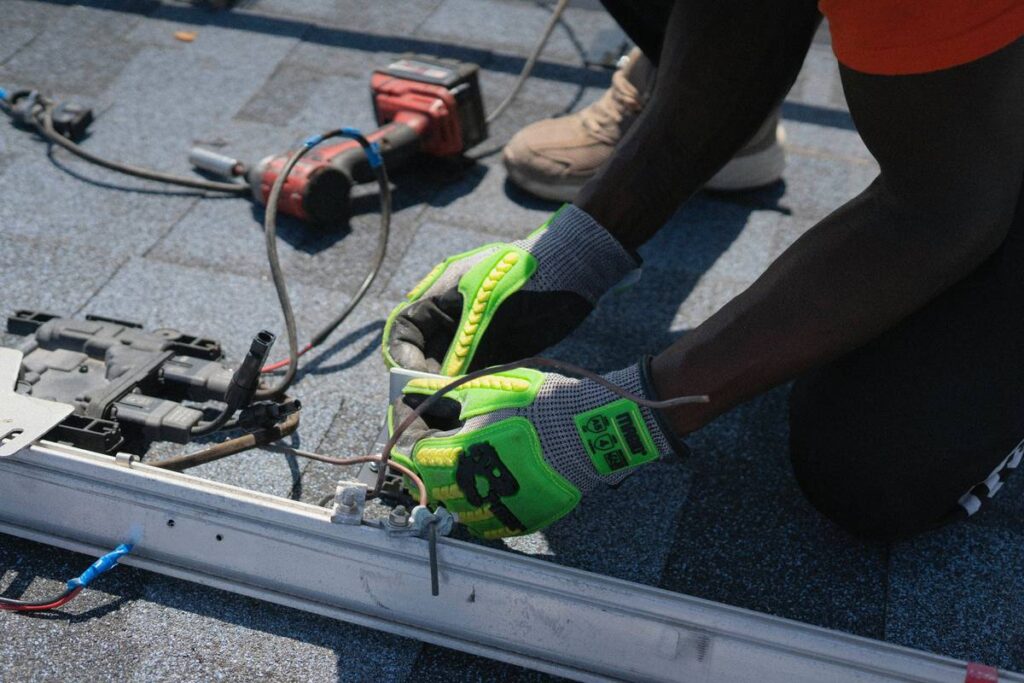
Crimp MC4 connectors with a proper tool (not pliers!), then tug-test each one. Loose connections create resistance, heat, and fire hazards.
5. Ground Everything
Bond panels, racking, and combiner boxes to a grounding electrode system. This diverts lightning strikes and fault currents safely into the earth.
Best Practices for Reliable, Code-Compliant Installations
- Label every wire at both ends—future you (or a technician) will thank you during troubleshooting.
- Leave service loops (18–24 inches of extra cable) at each panel for maintenance access.
- Avoid sharp bends—PV wire minimum bend radius is typically 8x its diameter.
- Verify polarity twice before connecting to the inverter. Reverse polarity can destroy electronics instantly.
- Never mix old and new panels in the same string—the mismatch reduces overall output and stresses components.
And here’s a terrible tip you’ll hear far too often: “Just twist the wires together and wrap with electrical tape.” Don’t. Ever. That’s how rooftop fires start. Real professionals use insulated lugs, proper enclosures, and torque specs—not shortcuts.
Real-World Results: What Proper Wiring Actually Delivers
A 2023 study by the U.S. Department of Energy tracked 150 residential solar systems over two years. Those installed with code-compliant wiring saw 92% of predicted energy output, versus just 67% for sloppy installs. One Arizona homeowner gained $412 more in annual savings simply because his installer used correctly sized conductors and clean terminations.
That’s the hidden math behind solar energy panel benefits: it’s not just about having panels on your roof—it’s about how well they’re integrated into your home’s electrical ecosystem. When done right, systems last 25+ years with minimal degradation. When done wrong? You’re paying for sunlight that never reaches your breaker panel.
We’ve helped dozens of clients optimize their setups—learn more about our standards on our About Us page. And if you’re collecting performance data, rest assured we protect your info per our Privacy Policy.
Frequently Asked Questions
Can I wire solar panels myself without an electrician?
You can physically connect panels, but most jurisdictions require a licensed electrician to handle the final grid interconnection and inspection sign-off. Always check local codes first.
What’s the difference between series and parallel solar wiring?
Series wiring adds voltage (e.g., two 40V panels = 80V total). Parallel wiring adds current (two 10A panels = 20A total). Your inverter’s input specs dictate which configuration works.
Do solar panels work during a power outage?
Grid-tied systems without batteries shut off during outages for safety. However, proper wiring enables seamless integration with backup batteries if you choose to add them later.
How often should I inspect my solar wiring?
Visually inspect connections and conduit annually, especially after storms. Look for discoloration, corrosion, or loose fittings. The full solar energy panel benefits depend on ongoing maintenance.
Are microinverters better than string inverters for wiring simplicity?
Yes—microinverters eliminate high-voltage DC strings by converting to AC at each panel. This simplifies wiring, improves safety, and mitigates shading losses.
Does proper wiring increase solar energy panel benefits significantly?
Absolutely. Correct sizing, grounding, and termination ensure you harvest maximum energy, reduce fire risk, and extend system life—unlocking every promised solar energy panel benefits.
Ready to wire your system right the first time? Skip the guesswork and contact us today for expert guidance tailored to your roof and goals.
Remember: sun shines for free—but only smart wiring makes it pay.