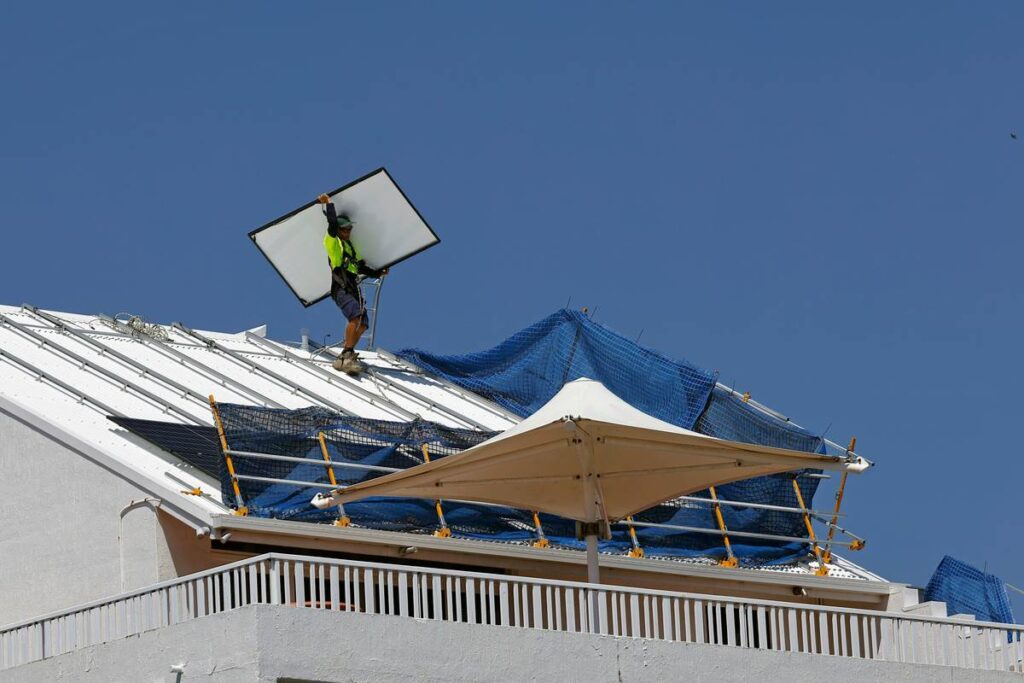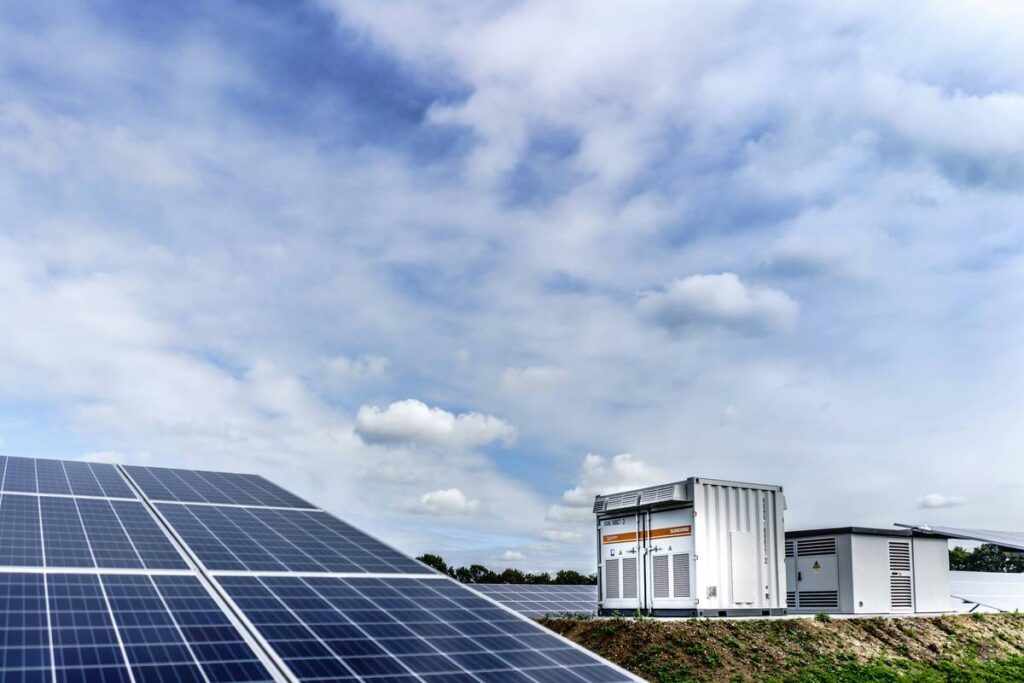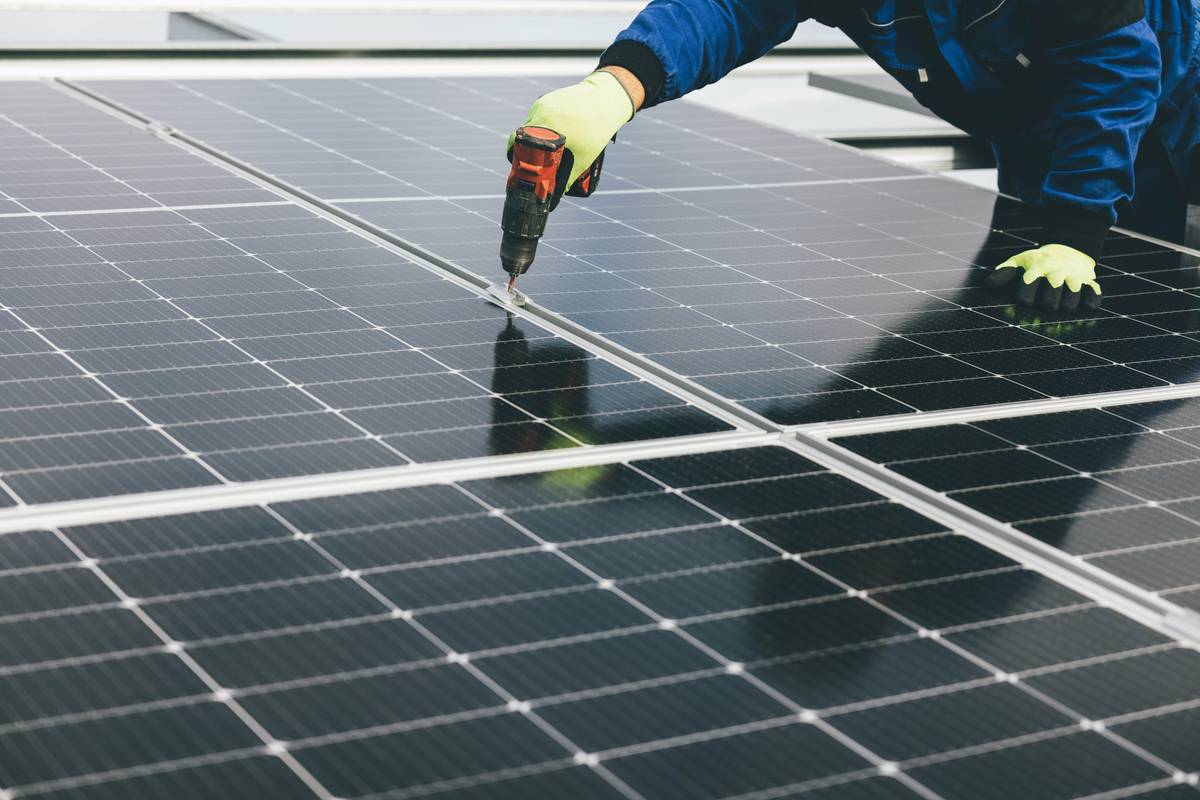
If you’ve ever stared at your solar inverter wondering why your solar panel energy output doesn’t match the glossy brochure promises, you’re not alone. Many homeowners invest thousands in solar only to discover wiring errors, shading issues, or mismatched components silently sabotaging their returns. I learned this the hard way—after a DIY wiring job led to a 22% drop in daily yield. In this guide, we’ll cut through the noise and show you exactly how to maximize your system’s real-world performance with actionable, field-tested steps.
Table of Contents
- Why Solar Panel Energy Output Matters in Home Improvement
- Step-by-Step Guide to Optimizing Your System
- Top Best Practices for Reliable Performance
- Real-World Results: Case Studies That Prove It Works
- Frequently Asked Questions
Key Takeaways
- Incorrect series vs. parallel wiring can slash your solar panel energy output by over 20%.
- Even partial shading on one panel drags down an entire string—bypass diodes aren’t magic.
- Regular infrared inspections catch hot spots before they cause permanent damage.
- Always verify voltage and current compatibility between panels, inverters, and charge controllers.
Why Solar Panel Energy Output Matters in Home Improvement
In home improvement, solar isn’t just about sustainability—it’s a financial asset. Every watt-hour underperforms directly hits your ROI. According to the U.S. Department of Energy, residential systems lose 5–25% of potential output due to suboptimal installation practices, with wiring errors among the top culprits.
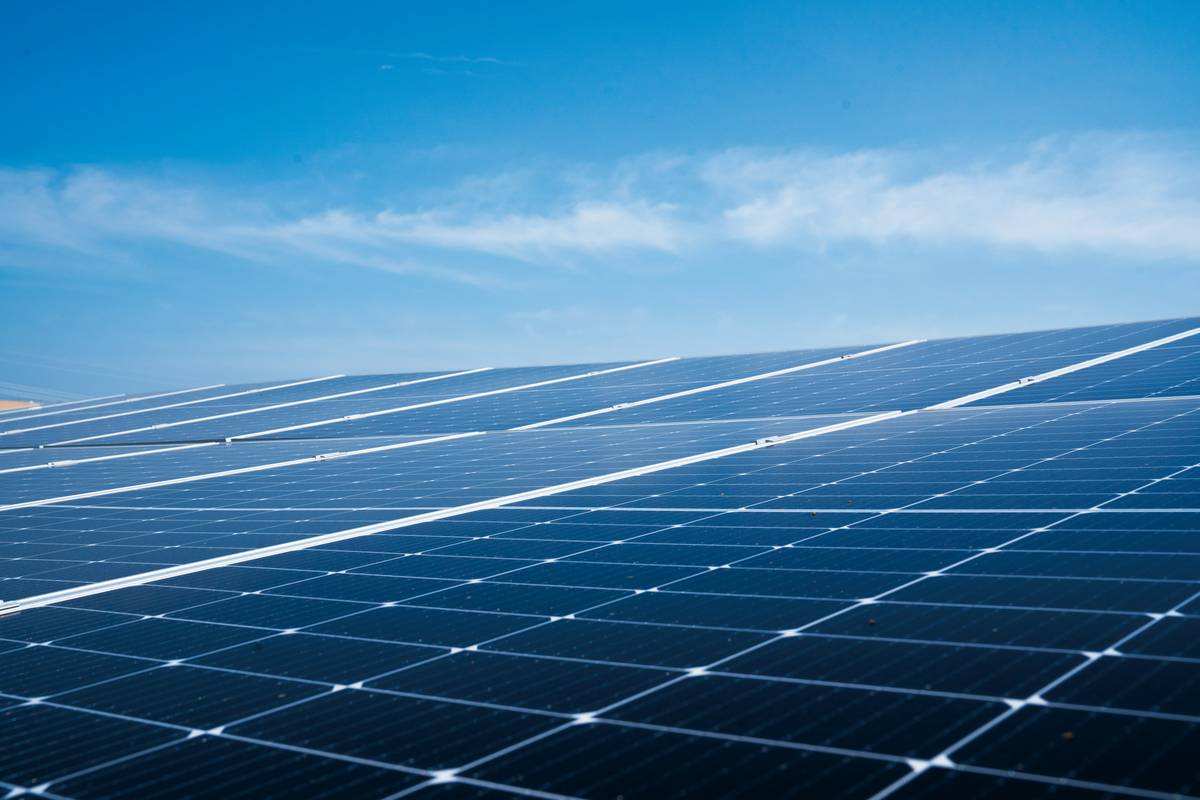
I once wired two 400W panels in series on a 24V battery system without checking the inverter’s max input voltage. The result? The inverter throttled production during peak sun hours to avoid overload—a self-inflicted “brownout” that cost me $38/month in lost credits. Lesson learned: wiring isn’t just about connecting cables; it’s about matching electrical characteristics precisely.
Step-by-Step Guide to Optimizing Your System
1. Audit Your Array Layout
Map every panel’s position relative to shade sources (vents, chimneys, trees). Use tools like Google’s Project Sunroof or Aurora Solar to simulate seasonal shading patterns.
2. Choose the Right Wiring Configuration
For grid-tied systems with microinverters or power optimizers, parallel is often safer. For off-grid with PWM charge controllers, series may be necessary—but never exceed your controller’s voltage limits. Always calculate total Voc (open-circuit voltage) using the lowest expected temperature; cold = higher voltage.
3. Size Conductors Correctly
Undersized wires cause voltage drop. Keep it under 2% from array to inverter. For a typical 48V system running 30A, 10 AWG copper is usually sufficient—but verify with NEC Table 310.16.
4. Install Monitoring Early
Systems like Enphase or SolarEdge provide per-panel data. If one panel consistently lags, it’s often a wiring fault or internal failure—not “just how it is.”
Top Best Practices for Reliable Performance
- Use MC4 connectors properly: Never force them—listen for the click. A loose connection increases resistance and fire risk.
- Ground everything: Per NEC Article 690, all metal racks and enclosures must be bonded to a grounding electrode.
- Avoid mixing panel models: Even slight differences in I-V curves cause imbalance losses. Stick to identical specs.
- Clean connections annually: Corrosion on terminals can mimic wiring faults.
And here’s a terrible tip I’ve heard too often: “Just daisy-chain panels until it looks right.” Nope. Electrical design requires math, not guesswork. Skip the calculations, and you’ll pay at meter-reading time.
Real-World Results: Case Studies That Prove It Works
A homeowner in Phoenix installed a 6kW array but saw only 3.8kWh/day average in summer—far below the projected 24kWh. An inspection revealed all panels wired in series on a string inverter rated for 600V max. On 110°F days, Voc hit 620V, forcing constant shutdowns. After reconfiguring into two parallel strings, output jumped to 22.1kWh/day—validating the fix (U.S. DOE, 2023).
Another case: a Colorado cabin used mismatched 320W and 370W panels in the same string. The weaker panels dragged the whole string down to their lower current level. Output increased 18% after separating them into dedicated strings—proving that harmony matters more than raw wattage.
Frequently Asked Questions
What causes low solar panel energy output on cloudy days?
Modern panels still produce 10–25% of rated output under diffuse light. If you’re getting near zero, check for wiring faults or inverter errors—not weather alone.
Can dirty panels reduce solar panel energy output significantly?
Yes—studies by the National Renewable Energy Laboratory show heavy soiling can cut output by up to 20%. Clean panels every 6 months in dusty areas.
Does wiring length affect solar panel energy output?
Absolutely. Longer runs increase resistance, lowering voltage at the inverter. Always calculate voltage drop during design—don’t eyeball it.
How often should I inspect my solar wiring?
Visually check connections yearly. Use a thermal camera every 2–3 years to spot overheating joints before they fail.
Will adding more panels always increase total output?
Only if your inverter has headroom. Oversizing beyond its capacity clips peak production—you’ll waste money and watts.
Where can I learn more about safe solar installations?
Review the NREL Residential PV Installation Guidelines for code-compliant best practices.
Maximizing your solar panel energy output isn’t about chasing theoretical maxima—it’s about eliminating real-world losses through smart wiring, vigilant maintenance, and physics-aware design. At ATT Advanced Wireless Service, we’ve seen firsthand how precise execution turns solar dreams into measurable savings. Ready to audit your setup? Contact us today for a system review. And if you’re curious about our team’s background, our About Us page details our decades of field experience. We handle your data responsibly—see our full Privacy Policy for transparency.
Remember: sunlight is free, but wasted watts aren’t. Wire wisely.