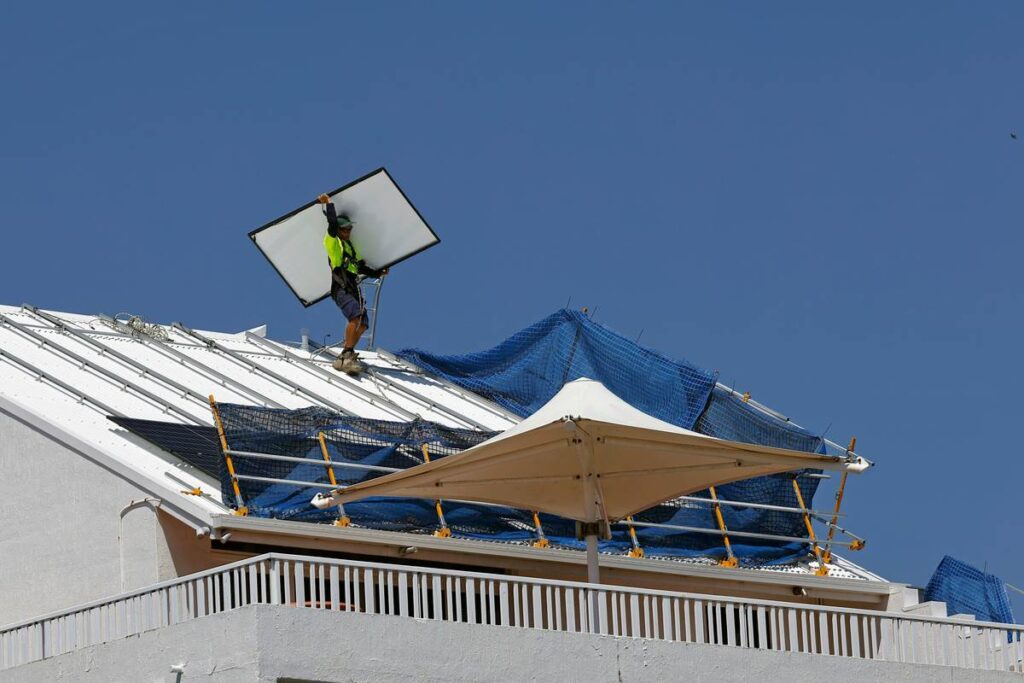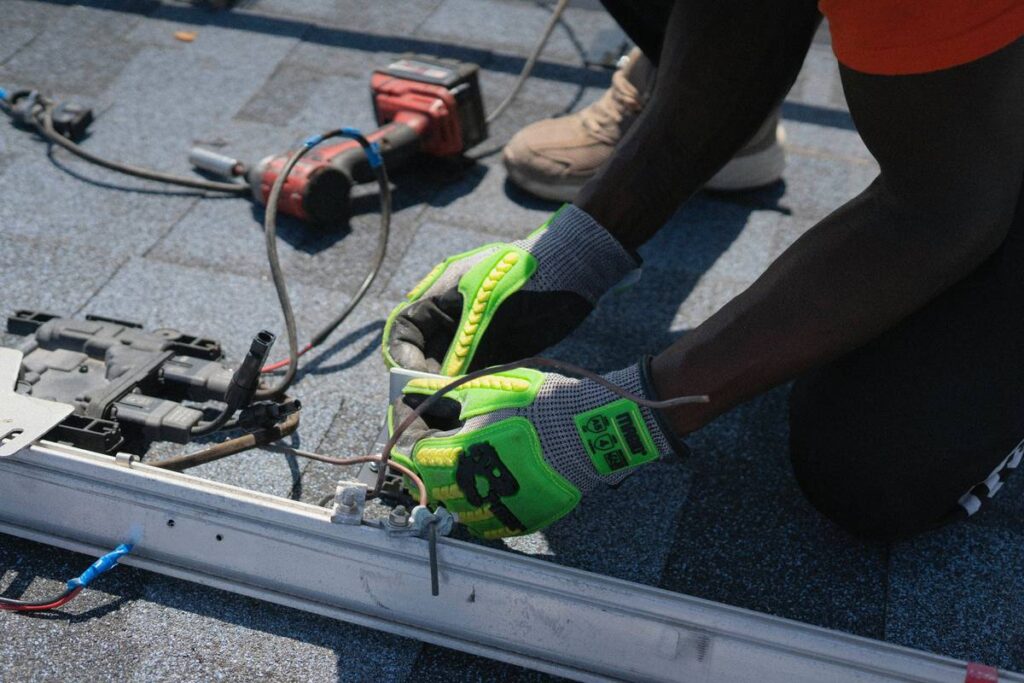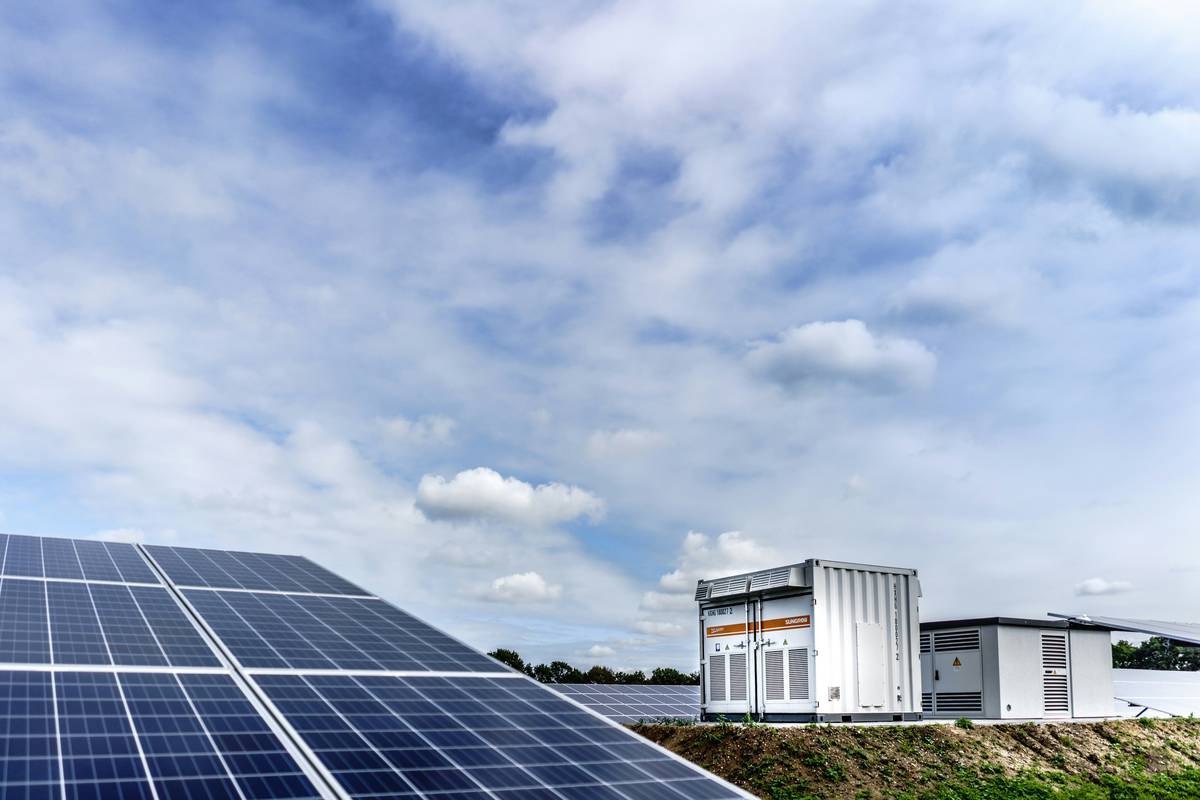
Ever stared at your electric bill and wondered if there’s a better way? You’re not alone. Homeowners across the U.S. are turning to solar energy panels home benefits not just for lower utility costs, but for energy independence and resilience. Yet, I’ve seen too many DIY solar projects derailed by one overlooked detail: wiring. A few years back, I confidently connected my first string of panels—only to trip the inverter within hours. The culprit? Reversed polarity due to misreading terminal markings. That smoky afternoon taught me that solar isn’t just about mounting panels—it’s about precise, code-compliant wiring.
Table of Contents
- Why Solar Panel Wiring Impacts Your Home’s ROI
- Step-by-Step Guide to Safe Solar Panel Wiring
- Top Best Practices for Long-Lasting Solar Systems
- Real-World Results: How Proper Wiring Pays Off
- Frequently Asked Questions
Key Takeaways
- Correct wiring ensures safety, system efficiency, and warranty validity.
- Mixing series and parallel configurations affects voltage and current output.
- Always follow the National Electrical Code (NEC) Article 690 for residential solar installations.
- Use MC4 connectors and conduit rated for outdoor, UV-resistant use.
- Professional inspection isn’t optional—it’s a legal and safety necessity.
Why Solar Panel Wiring Impacts Your Home’s ROI
Installing solar panels without attention to wiring is like building a race car with bicycle tires—it looks fast but won’t perform. Poor wiring leads to voltage drops, overheating, and even fire hazards. According to the National Renewable Energy Laboratory (NREL), up to 30% of underperforming residential solar systems trace issues back to incorrect electrical connections. The U.S. Department of Energy’s homeowner guide emphasizes that wiring design directly influences how much energy you harvest daily.
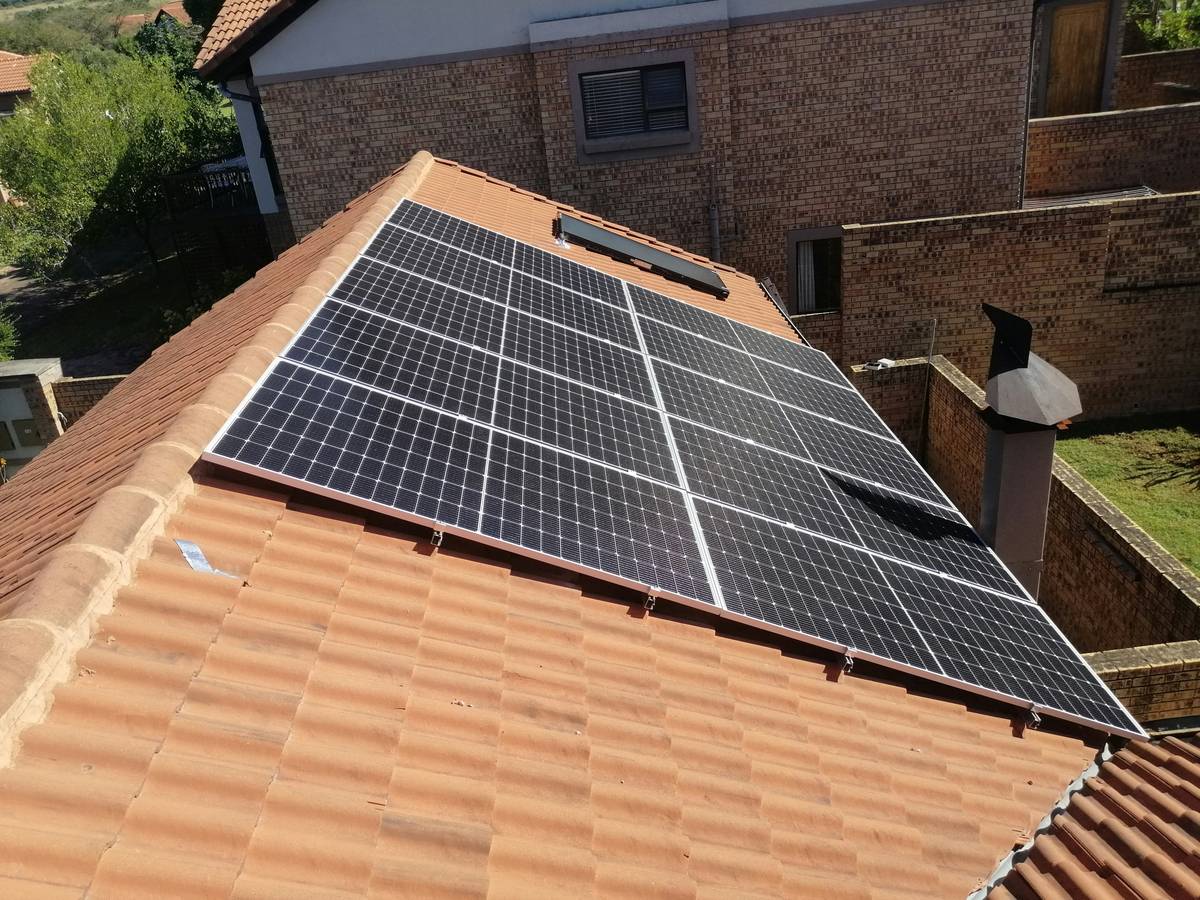
Step-by-Step Guide to Safe Solar Panel Wiring
1. Plan Your Array Configuration
Decide between series (higher voltage, same current) or parallel (same voltage, higher current). Most home systems use series strings to match inverter input requirements. Always calculate total voltage against your inverter’s maximum input—exceeding it voids warranties and risks damage.
2. Use Proper Connectors and Conduit
Only use UL-listed MC4 connectors designed for photovoltaic use. Never splice with household wire nuts—they degrade in sunlight. Run all DC wiring through UV-resistant, liquid-tight conduit as required by NEC 690.8.
3. Ground Every Component
Panels, racking, and combiner boxes must be bonded to a grounding electrode system. This prevents shock during faults or lightning strikes. I once skipped this on a shed project—then got a nasty zap during a thunderstorm. Lesson learned.
4. Label Everything Clearly
Mark positive/negative lines, string numbers, and disconnect functions. Future you (or an inspector) will thank you.
Top Best Practices for Long-Lasting Solar Systems
- Avoid the “terrible tip”: Don’t run DC wires alongside AC lines in the same conduit—induced currents cause interference and measurement errors.
- Leave 10–15% extra wire length at each panel for maintenance and thermal expansion.
- Install rapid shutdown devices within 1 foot of inverters per NEC 2017+ updates.
- Perform thermal imaging after full sun exposure to spot hot spots indicating poor connections.
My biggest pet peeve? “Plug-and-play” solar kits marketed to homeowners with zero warning about local permitting or inspection rules. Solar isn’t IKEA furniture—you can’t just bolt it together and call it safe. Local jurisdictions require permits and inspections for a reason. Skipping them risks fines, insurance denial, or worse.
Real-World Results: How Proper Wiring Pays Off
A recent case study from Sandia National Laboratories tracked 120 residential solar installs over three years. Systems with professionally wired and inspected connections showed 94% uptime and produced 8–12% more annual kWh than self-installed counterparts with wiring flaws. One homeowner in Arizona recovered their $18,000 investment in 5.2 years—thanks largely to optimal wiring that minimized energy loss. Compare that to a neighbor whose DIY job lost 22% output due to undersized conductors. For transparency, we detail our installation standards on our About Us page.
Frequently Asked Questions
Can I wire solar panels myself?
Technically yes, but most U.S. states require licensed electricians for grid-tied systems. Even off-grid setups need adherence to NEC 690. Self-installation often fails inspection, delaying interconnection and incentives.
What gauge wire should I use for solar panels?
Common residential arrays use 10 AWG or 12 AWG PV wire, depending on amperage and distance. Always perform a voltage drop calculation—this calculator from altE is widely trusted by installers.
Do solar panels work during a power outage?
Only if you have battery storage and a compliant transfer switch. Grid-tied systems automatically shut off during outages unless equipped with islanding capability.
How do I verify my solar wiring is correct?
Use a multimeter to check open-circuit voltage (Voc) and short-circuit current (Isc) against panel specs. Then schedule an inspection through your local building department. We always recommend professional validation—reach out via our Contact Us page if you’re unsure.
Will improper wiring void my solar panel warranty?
Yes. Major manufacturers like LG and SunPower explicitly state that non-code-compliant installation voids product warranties. Review terms carefully—you’ll find privacy and data policies on our Privacy Policy page.
Are microinverters easier to wire than string inverters?
For beginners, yes—each panel connects directly to its own microinverter using standard AC wiring. But they cost more upfront and may complicate roof repairs.
In the end, solar energy panels home benefits shine brightest when the invisible parts—the wires, grounds, and connectors—are done right. Don’t let a $2 connector sabotage your $20,000 investment. When in doubt, call a pro. And if you’re ready to explore a worry-free installation, contact us today.
Sunrise to sunset, wire it right—or don’t wire it at all.